Nestled along the scenic Rappahannock River, Tappahannock is one of Virginia’s oldest and most historic waterfront communities. Established in 1680, the Town blends centuries of history with the charm and character of a vibrant small town. Today, Tappahannock serves as the county seat of Essex County and continues to be a center for commerce, community, and riverfront life.
With a rich colonial history, a variety of dining and shopping options, the scenic Rappahannock River, and a strong sense of community, Tappahannock offers residents, businesses, and visitors a unique place to live, work, and explore.
Community Snapshot
Established in 1680
Population of roughly 2,200
County Seat of Essex County, Virginia
Located on the Rappahannock River
One of the oldest towns in the Commonwealth of Virginia
Conveniently located along U.S. Routes 17 and 360
Rich in colonial history and waterfront heritage
Home to a sizable number of locally owned businesses, restaurants, parks, and community events
Part of Virginia’s River Realm
Visit Tappahannock
Conveniently located between Richmond, Fredericksburg, and Virginia’s Northern Neck and Middle Peninsula regions, Tappahannock serves as both a welcoming hometown and a gateway to the surrounding area.
To discover local attractions, dining, shopping, lodging, and events, visit the Visit Tappahannock tourism website. You can also follow Visit Tappahannock on Facebook and Instagram to stay up to date on events, local highlights, and community happenings.
Tappahannock is proud to be part of Virginia’s River Realm, a regional tourism initiative that promotes the area’s waterfront communities, outdoor recreation, small businesses, dining, history, and unique river culture. The Town is also working toward designation as a Chesapeake Gateways Community through the National Park Service, further recognizing Tappahannock’s important connection to the Chesapeake Bay watershed, maritime heritage, and natural resources.
Tourism and community development efforts are strengthened through partnerships with organizations including Historic Downtown Tappahannock, which hosts events throughout the year, and Explore Essex, which promotes tourism, history, and local experiences throughout Essex County.
Community Events
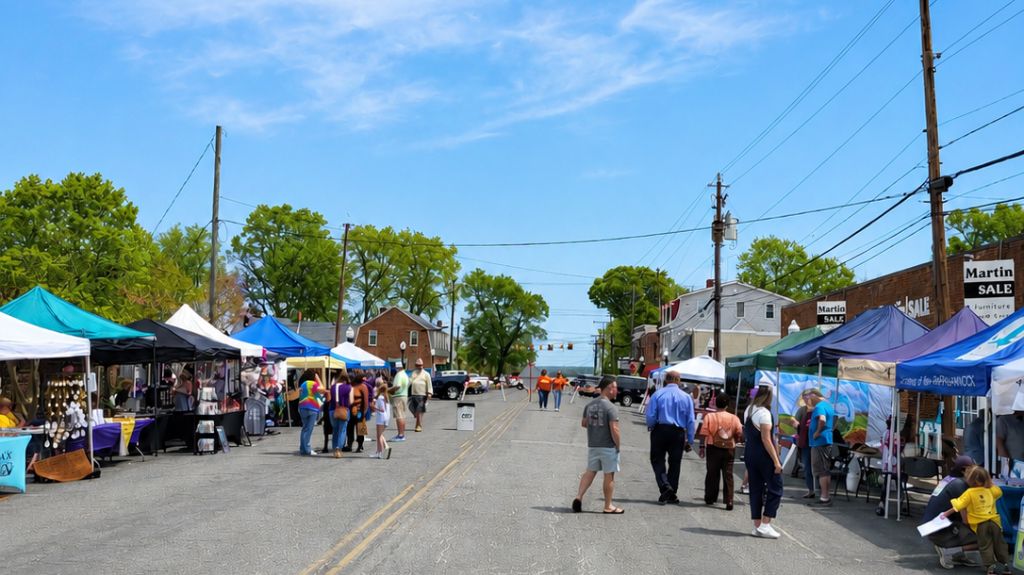
Community events and local traditions are an important part of life in Tappahannock. Seasonal festivals, farmers markets, holiday celebrations, live music, and waterfront events bring residents and visitors together throughout the year.
These gatherings celebrate the Town’s culture, history, local businesses, and community pride while helping create memorable experiences for families and visitors alike.
History and Meaning Behind the Name “Tappahannock”
Tappahannock is older than Richmond, Fredericksburg, and even Williamsburg. The Town’s history dates back centuries and is deeply connected to the Native American communities and waterways that shaped the region.
In 1608, Captain John Smith first visited the area during his exploration of Virginia’s rivers and shoreline. At the time, the land was inhabited by Native Americans who fiercely defended their village when Smith attempted to land here. Because of its Native American roots, both the river and the village retained names inspired by the original inhabitants of the area.
The Rappahannock River name is believed to mean “rise and fall of water,” reflecting the powerful tidal movement of the river. The village name, Tappahannock, is commonly interpreted as “town on the rise and fall of water,” a fitting description for a community whose history and identity have always been tied to the river.
During the early 1660s, ship captain Richard Hobbs patented approximately 800 acres in the area. The settlement became known as “Hobbs His Hole,” with the word “hole” referring to a deep-water anchorage suitable for ships. As colonial trade expanded, England sought to establish official ports and tobacco warehouses throughout Virginia. Benjamin Goodrich sold 50 acres of land to the Crown for the establishment of the town site.
For a brief period, town leaders attempted to rename the settlement “New Plymouth,” but the historic Native American name endured, and Tappahannock officially returned as the Town’s name in 1705.
Tappahannock Today
Today, Tappahannock is a vibrant riverfront community that blends historic character with modern opportunity. Residents and visitors enjoy locally owned shops and restaurants, waterfront recreation, healthcare access, community events, and a welcoming small-town atmosphere.
As the Town continues to grow, it remains committed to preserving its heritage while investing in infrastructure, beautification, economic development, and quality-of-life improvements that support a strong future for generations to come.

.jpg)
.jpg)
.jpg)
 (1).jpg)